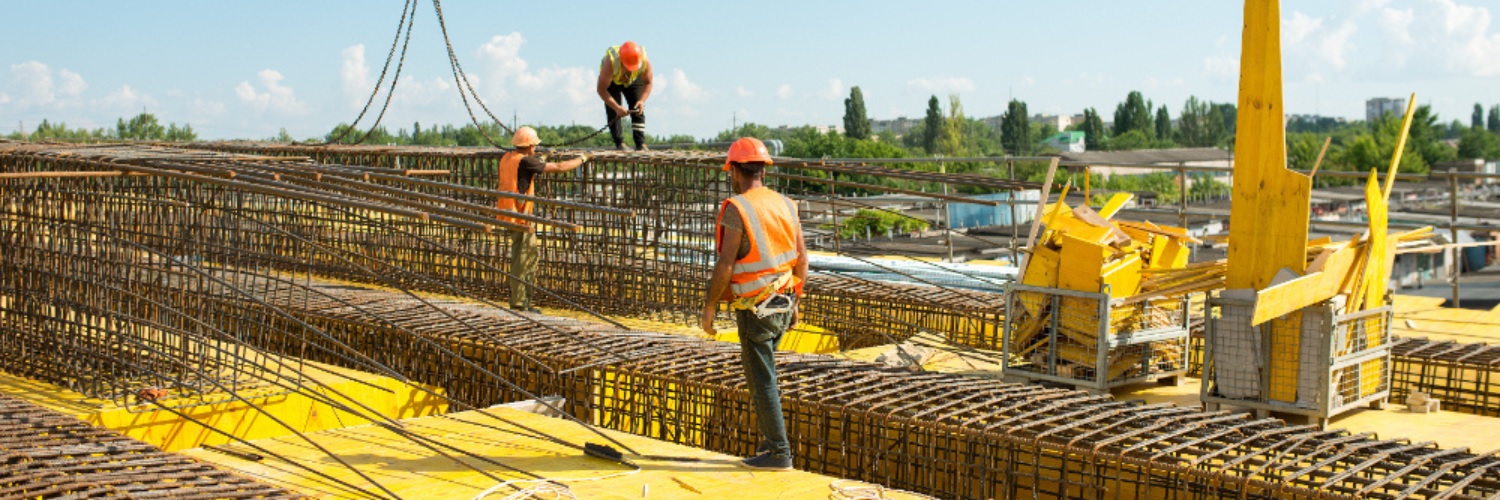
Key Factors Behind Successful Construction Project Management

The construction industry operates within one of the most complex, high-stakes operational environments in global commerce. Unlike factory manufacturing, where conditions are tightly controlled and processes are endlessly repeatable, every construction project represents a unique undertaking. Variable soil conditions, volatile material pricing, stringent municipal zoning, unpredictable weather patterns, and multi-layered subcontractor networks all converge on a single jobsite.
Navigating these challenges requires far more than technical engineering knowledge. It demands disciplined, systematic project management. Successful construction project management balances the iron triangle of scope, schedule, and cost while enforcing rigorous site safety and delivering uncompromising structural quality. Understanding the core foundational pillars behind project success allows owners, general contractors, developers, and project managers to mitigate expensive overruns, minimize operational friction, and deliver complex builds safely and on schedule.
Comprehensive Pre-Construction Planning and Feasibility Analysis
The trajectory of a construction project is largely determined before the first piece of heavy equipment breaks ground. The pre-construction phase serves as the strategic blueprint for everything that follows, establishing the baseline parameters against which all field performance will be measured.
Defining Scope and Constructability Reviews
Vague scope definitions are the leading cause of construction disputes and catastrophic budget overruns. During pre-construction, the project team must rigorously define the exact parameters of the build, documenting deliverables, work breakdown structures, and architectural details with absolute precision.
Conducting multidisciplinary constructability reviews during this phase allows project managers, structural engineers, and trade contractors to identify engineering clashes, impractical structural details, and material supply bottlenecks while designs are still on paper. Addressing these conflicts virtually costs pennies compared to discovering spatial clashes during active structural installation.
Site Investigation and Municipal Permitting
Overlooking subsurface conditions or municipal bureaucracy can bring a project to a sudden halt. Thorough geotechnical soil testing, utility locating, environmental impact assessments, and hydrological surveys prevent unexpected subterranean surprises, such as high water tables or unstable bedrock.
Concurrently, building proactive relationships with local permitting authorities and securing all relevant environmental clearances, zoning variances, and structural permits well in advance ensures that site work proceeds without regulatory interruptions.
Accurate Cost Estimation and Robust Budgetary Controls
Construction projects operate on tight financial margins. A minor percentage shift in material costs or labor productivity can rapidly turn a profitable venture into a substantial loss. Establishing realistic estimates and maintaining active financial controls are vital for project solvency.
Multi-Tiered Cost Estimation
A robust budget relies on thorough, data-driven estimation rather than broad square-foot generalizations. Cost engineers compile expenses across several structural tiers:
-
Direct Costs: Physical building materials, site labor wages, heavy equipment rentals, and specialized subcontractor trade contracts.
-
Indirect Costs: Field office trailers, jobsite utilities, site security, temporary power, scaffolding, and administrative staff compensation.
-
Contingency Allocations: Dedicated financial buffers, typically ranging between five and fifteen percent of the total project value, specifically designated to absorb unforeseen subsurface anomalies, adverse weather delays, or sudden supply chain price adjustments.
Change Order Management and Earned Value Analysis
Uncontrolled changes in scope, commonly known as scope creep, erode project profitability. Successful project managers enforce a strict, documented change order protocol. Whenever an owner requests a design modification or unforeseen field conditions require structural adaptations, the team must evaluate the associated cost and schedule impact, secure written approval, and update baseline projections before executing the work.
Furthermore, employing earned value management techniques allows managers to track actual work completed against budgeted expenditures in real time, detecting cost overruns early enough to implement corrective measures.
Dynamic Scheduling and Critical Path Methodologies
A construction schedule is not a static timeline posted on a trailer wall; it is a dynamic management tool that orchestrates hundreds of interdependent trades, material shipments, and inspections.
Leveraging the Critical Path Method
Modern construction scheduling relies heavily on the Critical Path Method. The critical path represents the longest sequence of dependent activities that directly determines the overall duration of the project. A delay on any single critical path task—such as foundation excavation, structural steel erection, or primary MEP (mechanical, electrical, and plumbing) rough-ins—automatically delays the final completion date.
Project managers must identify non-critical tasks that possess float time, allowing them to shift trade labor and equipment dynamically when unforeseen bottlenecks threaten the critical path.
Integrating Material Procurement with Site Logistics
Even the most productive labor force is useless if raw materials are not on site when needed. Successful managers integrate procurement schedules directly into master timelines. Long-lead items, such as custom structural steel packages, specialized commercial HVAC chillers, switchgear panels, and glass curtain wall assemblies, must be ordered months in advance.
Establishing precise just-in-time delivery schedules ensures that materials arrive immediately prior to installation, avoiding site congestion and protecting valuable components from weather exposure or jobsite damage.
Transparent Communication and Multi-Stakeholder Collaboration
Construction projects involve dozens of autonomous organizations working simultaneously toward a shared outcome. Misalignment between owners, architects, engineers, general contractors, and trade subcontractors creates friction, delays, and costly litigation.
Centralized Documentation and Fast-Track Information Flow
Delays in answering technical questions from the field stall progress on site. Establishing standardized digital workflows for critical communication channels keeps information moving efficiently:
-
Requests for Information: Formal queries submitted from field superintendents to project engineers seeking architectural clarification.
-
Submittals and Shop Drawings: Detailed fabricator plans verified against architectural specifications before component manufacturing begins.
-
Daily Field Logs: Accurate, timestamped records documenting daily weather, manpower counts, active equipment, completed milestones, and site safety observations.
Conducting Structured Coordination Meetings
Regular, highly focused coordination sessions keep all stakeholders aligned. Holding weekly owner-architect-contractor meetings ensures high-level decision-makers resolve commercial and design issues quickly.
Simultaneously, daily field huddles and weekly trade superintendent pull-planning sessions allow on-site trade foremen to coordinate spatial handoffs, address staging conflicts, and confirm that workspace is clear for upcoming trades.
Proactive Risk Management and Site Safety Protocols
Construction sites are high-risk work environments. A serious safety incident damages lives, destroys worker morale, halts operations, attracts severe regulatory penalties, and derails project timelines. Successful project management prioritizes safety as a non-negotiable operational value.
Implementing Comprehensive Safety Culture
Regulatory compliance with entities like the Occupational Safety and Health Administration provides only the absolute baseline for safety. Elite construction managers foster a proactive safety culture through:
-
Mandatory comprehensive site orientation for every worker before stepping onto the active deck.
-
Daily morning toolbox talks addressing specific daily site hazards, such as crane lifts, deep trenching, or hot work.
-
Strict enforcement of personal protective equipment, fall protection systems, and perimeter guardrails.
-
A transparent near-miss reporting system that identifies and rectifies safety hazards before an injury occurs.
Building Dynamic Risk Registers
A project manager must maintain an active risk register throughout the construction lifecycle. This document identifies potential project threats, evaluates their likelihood and impact, and outlines concrete mitigation strategies.
Risks ranging from regional labor strikes and supply chain tariff increases to extreme seasonal weather patterns must have pre-planned operational workarounds, ensuring the team reacts with disciplined execution rather than panic when challenges arise.
Technological Integration and Field Digitization
The modern construction jobsite has evolved beyond paper blueprints and clipboards. Digital transformation has introduced specialized technological tools that improve spatial precision, streamline communication, and eliminate errors.
Building Information Modeling and Virtual Clash Detection
Building Information Modeling software creates intelligent, three-dimensional digital representations of a facility. By aggregating architectural, structural, mechanical, plumbing, and electrical models into a unified federated model, project teams can run automated clash detection algorithms.
Discovering that a primary fire sprinkler main collides with an HVAC supply duct in a virtual 3D environment weeks before fabrication saves thousands of dollars in field rework and preserves the project timeline.
Cloud-Based Field Platforms and Reality Capture
Mobile construction software deployed on ruggedized field tablets connects superintendents directly to the latest set of approved plans, instantly archiving outdated revisions and preventing trades from building off superseded blueprints.
Additionally, deploying drones for aerial topographic mapping and utilizing 360-degree site cameras for routine walkthroughs creates an indisputable visual record of progress, facilitating remote inspections and streamlining dispute resolution.
Quality Assurance, Quality Control, and Commissioning
A project delivered on time and under budget is still a failure if it suffers from structural defects, moisture intrusion, or mechanical failures. Quality must be built into every step of the installation process rather than inspected in at the very end.
Establishing Robust QA/QC Inspection Frameworks
Quality assurance establishes the processes and standards required to prevent defects, while quality control verifies that executed work complies with project specifications.
Field superintendents must implement mock-up reviews, third-party concrete slump and compression testing, weld inspections, and water-penetration testing on building envelopes early in the process. Catching a waterproofing failure on a small test mock-up prevents catastrophic moisture damage across thousands of square feet of finished facade.
Systematic Commissioning and Project Handover
The final phase of construction management involves transitioning a complex physical asset into an active operational facility. The commissioning process rigorously tests and balances all integrated mechanical, electrical, life safety, and building automation systems under varied operating loads.
Conducting comprehensive punch-list walk-throughs, compiling complete operations and maintenance manuals, securing certificates of occupancy, and delivering thorough operational training to the owner facility management team ensures a smooth handover and long-term client satisfaction.
Frequently Asked Questions
What is the difference between a construction manager and a general contractor?
A construction manager typically acts as a trusted advisor to the project owner starting in early pre-construction, overseeing budgeting, design coordination, and scheduling under a fee-based contract structure. A general contractor is traditionally hired after design completion through a competitive bidding process, assuming direct contractual and financial responsibility for executing the physical construction according to the provided plans and specifications.
How do modern construction managers mitigate the impact of unpredictable weather?
Managers mitigate weather disruptions by building historical seasonal weather buffers directly into the master baseline schedule. They also plan weather-sensitive activities, such as earthwork and foundation pours, during dry months, utilize temporary weather enclosures and ground heaters during cold snaps, and shift labor resources to indoor rough-in tasks whenever outdoor conditions become unsafe or unproductive.
What is a guaranteed maximum price contract and how does it protect the owner?
A guaranteed maximum price contract establishes a firm ceiling on the total cost of construction payable by the owner. Under this structure, the construction manager or contractor is compensated for actual labor and material costs plus a fixed fee, but any cost overruns exceeding the agreed maximum price are absorbed entirely by the contractor, providing the owner with financial budget certainty while allowing shared savings if the build comes in under budget.
Why is building envelope commissioning so critical in modern construction?
Building envelope commissioning verifies that the exterior facade, roofing, windows, and waterproofing barriers form a continuous, airtight, and water-resistant thermal envelope. Failures in the building envelope lead to moisture intrusion, mold growth, degraded structural framing, and severe energy loss, making comprehensive pre-handover water and air pressure testing essential for long-term building durability.
How does modular and prefabricated construction impact on-site project management?
Modular and prefabricated construction shifts substantial portions of building assembly from the jobsite into off-site factory environments. For project managers, this reduces on-site labor congestion, improves manufacturing quality control, and allows site foundation work to occur simultaneously with structural module fabrication. However, it demands extreme precision during early design and requires tight logistics management to coordinate heavy crane picks and module deliveries to the site.
What causes most subcontractor scheduling delays and how can they be prevented?
Subcontractor delays typically stem from poor spatial coordination, delayed material deliveries, conflicting workspace handoffs, or slow processing of architectural submittals and engineering requests. These bottlenecks are prevented through early clash detection, using pull-planning scheduling techniques that involve trade foremen directly, maintaining reliable material staging plans, and processing administrative approvals rapidly through digital project management platforms.
What is a punch list and when does it take place during the construction lifecycle?
A punch list is a detailed inventory of minor deficiencies, incomplete tasks, or cosmetic imperfections—such as scuffed paint, misaligned hardware, unsealed trim, or missing covers—that must be corrected before final payment is released. The punch-list walk-through occurs near substantial completion, after major structural, mechanical, and architectural installations are finished but prior to formal facility handover and owner occupancy.