How to Make Your Apartment Feel Spacious
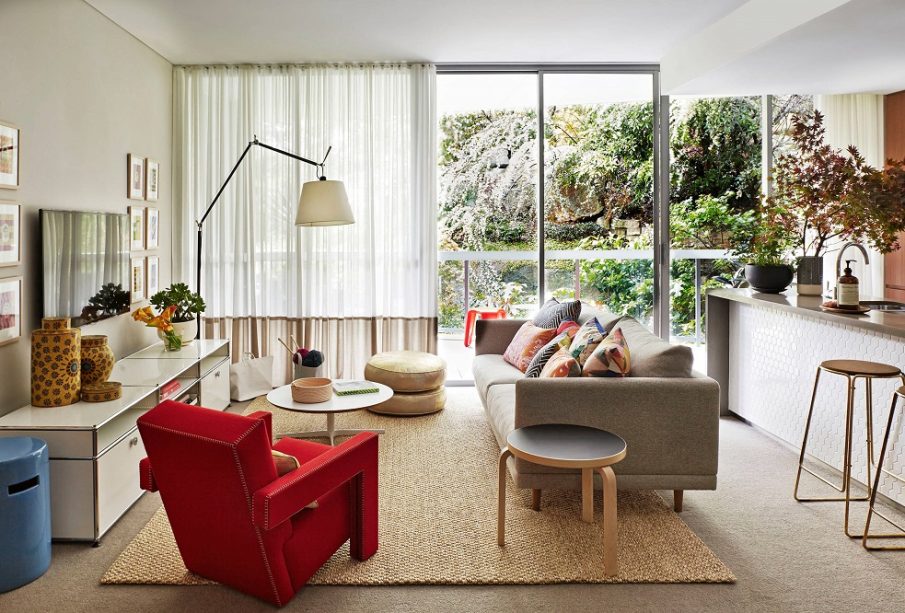
Urban living often means trading sprawling square footage for convenient locations, vibrant neighborhoods, and shorter commutes. While compact apartments offer coziness and lower utility costs, they can easily feel cramped, dark, and cluttered if not arranged thoughtfully. Living in a limited space does not mean you have to feel confined within your own walls.
Perceived space is largely a psychological and visual experience. Through the deliberate application of interior design principles, strategic furniture choices, smart lighting arrangements, and organized storage systems, you can visually expand your home. Creating an open, airy atmosphere is entirely achievable without knocking down walls or breaking your lease. Implementing these design techniques will help transform your compact apartment into a serene, expansive living environment.
Harness the Power of Light and Reflective Surfaces
Light is the single most effective tool for expanding visual boundaries. A well-lit room eliminates dark corners that make walls feel like they are closing in, while reflective materials bounce illumination across the entire layout.
Maximize Natural Daylight
Natural sunlight instantly breathes life into small spaces. Blocking windows with heavy fabrics cuts off sightlines and shrinks the room.
-
Sheer Window Treatments: Replace thick, dark draperies with lightweight linen or sheer white panels that diffuse sunlight while preserving privacy.
-
Hang Curtains High and Wide: Mount your curtain rods several inches above the actual window frame and extend them past the sides. When the curtains are open, the fabric frames the wall rather than covering the glass, giving the illusion of taller ceilings and larger windows.
-
Keep Window Sills Clear: Avoid cluttering window sills with stacks of books or large decorative items so daylight enters unobstructed.
Strategic Placement of Mirrors
Mirrors trick the eye by creating the illusion of extra depth, effectively doubling the visual space of a room.
Position a full-length mirror directly opposite or adjacent to a primary window to reflect natural light deep into interior hallways. In dining or living areas, placing a large, framed mirror above a sofa or credenza reflects open space, making the room feel twice as deep. Mirrored closet doors, metallic decorative accents, and furniture with glass or polished chrome finishes also bounce artificial and natural light throughout the apartment.
Layered Artificial Lighting
Relying on a single, harsh overhead light fixture draws attention straight upward and leaves the perimeter of the room in shadow. A small apartment requires a layered lighting strategy to create depth:
-
Ambient Lighting: Use flush-mount or soft pendant lights with warm, diffused bulbs as your baseline.
-
Task Lighting: Place slim floor lamps beside reading chairs and under-cabinet LED strips along kitchen countertops to illuminate functional work zones.
-
Accent Lighting: Position small uplights or wall sconces in shadowy corners to draw the eye outward to the very edges of the room.
Select Furniture with Open Profiles and Scale in Mind
Choosing the right furniture is crucial when decorating a small apartment. Oversized, bulky pieces overwhelm modest rooms, while filling the space with too many tiny items creates visual clutter.
Embrace Leggy and Low-Profile Designs
Furniture that sits directly on the floor blocks sightlines and absorbs light, creating a heavy visual footprint.
-
Raised Legs: Choose sofas, armchairs, dressers, and coffee tables with exposed, slender legs made of wood or metal. Seeing the floor continue beneath the furniture makes the room appear far more open.
-
Low Backrests: Low-profile seating keeps sightlines clear across the apartment, especially in open-concept studio layouts.
-
Transparent Materials: Furniture made of clear acrylic, tempered glass, or open-weave cane allows the eye to pass straight through, fulfilling practical needs without taking up visual weight.
Choose Multifunctional and Adaptable Pieces
Every piece of furniture in a compact apartment should earn its place by serving more than one function.
-
Storage Ottomans: Provide comfortable footrests, extra guest seating, and hidden compartments for throw blankets, board games, or seasonal apparel.
-
Extendable Dining Tables: Drop-leaf or console-to-dining tables remain compact during everyday use and expand easily when hosting dinner guests.
-
Lift-Top Coffee Tables: Convert instantly into a comfortable workspace or casual dining surface while concealing remote controls and electronics inside.
Follow the Scale-Over-Quantity Rule
It is a common mistake to buy miniature furniture for a small room. A collection of multiple small chairs, side tables, and shelves can make a space feel chaotic. Instead, choose fewer, properly proportioned full-sized pieces. One well-scaled sectional sofa paired with a slim coffee table often makes a living room feel larger and more cohesive than a cluttered mix of love seats, accent chairs, and poufs.
Strategic Color Palettes and Continuity
Color choices establish the mood and perceived scale of an interior. Maintaining visual harmony prevents the eye from stopping abruptly at boundaries.
Soft, Cohesive Color Schemes
Light, neutral colors naturally reflect light and make walls recede into the background.
-
Monochromatic Foundations: Utilize shades of soft white, warm cream, pale gray, or light beige across walls, large area rugs, and primary upholstery.
-
Tone-on-Tone Depth: Layer different textures—such as boucle, ribbed cotton, and natural wood—within the same color family to build visual interest without introducing chaotic color clashes.
-
Pops of Intentional Color: Introduce deeper accent colors through small, easily swappable items like art prints, indoor plants, and decorative pillows rather than large furniture pieces.
Create Seamless Visual Flow
When flooring or wall colors change abruptly between adjacent areas, the apartment feels chopped into tiny, isolated boxes. Maintaining consistent flooring throughout the entryway, living room, and kitchen creates an unbroken visual plane that makes the entire home feel like one continuous expanse. Similarly, using the same wall paint color across connecting rooms softens architectural transitions.
Vertical Storage and Decluttering Systems
Floor space is limited in an apartment, but vertical wall space is often underutilized. Drawing the eye upward emphasizes ceiling height and keeps daily essentials off walking paths.
Utilize Full-Height Wall Space
-
Floor-to-Ceiling Shelving: Tall, narrow bookcases draw the eye upward and maximize vertical storage capacity without demanding a wide footprint.
-
Floating Wall Shelves: Install floating shelves above desks, doorways, and sofas to display books and decorative objects while leaving floor space completely open.
-
Hanging Plants and Wall Art: Hang planters from ceiling hooks and position framed art slightly higher than eye level to accentuate ceiling height.
Strict Decluttering Habits and Concealed Storage
Physical clutter is the fastest way to make an apartment feel cramped. Practice ruthless editing of your possessions by evaluating personal items regularly.
-
Conceal Daily Clutter: Use closed storage cabinets, woven baskets, and lidded bins to hide cords, papers, and miscellaneous household items out of direct sight.
-
The One-In, One-Out Rule: Whenever you bring a new piece of clothing, kitchen tool, or decorative accessory into your home, donate or recycle an existing item to prevent gradual clutter accumulation.
-
Clear Flat Surfaces: Keep countertops, coffee tables, and desks as clear as possible. Seeing open surfaces provides immediate psychological relief and signals an uncluttered, spacious home.
Frequently Asked Questions
What paint finishes work best to make small rooms feel larger?
Satin and eggshell paint finishes are ideal for small rooms because they possess a gentle sheen that reflects ambient light without highlighting wall imperfections. High-gloss finishes can be used on ceilings or interior doors to create subtle, mirror-like reflections that visually increase vertical height.
How do I choose the correct area rug size for a small living room?
Avoid rugs that are too small, as they visually break up the floor and make the room look tiny. Choose a rug large enough for at least the front legs of all major seating pieces to rest comfortably on top. This anchors the furniture arrangement and visually defines the seating zone as a generous, unified space.
Can dark colors ever be used in a small apartment without making it feel cramped?
Yes, dark colors can be used strategically to create depth and drama. Painting a small powder room, entryway, or single accent wall in a deep navy, forest green, or charcoal can make the corners recede, creating a perception of endless depth. The key is balancing dark surfaces with bright, focused lighting and light-colored accents.
What are the best room divider options for studio apartments that do not block light?
Open-backed shelving units, translucent fabric screens, ceiling-mounted track curtains, and slatted wooden partitions divide functional zones effectively. These options separate sleeping and living areas without cutting off air circulation or blocking the flow of natural daylight across the studio.
How can I make low apartment ceilings feel noticeably taller?
To make ceilings feel taller, paint them a bright, crisp white or one shade lighter than your wall color. Install tall floor lamps that direct light upward, hang curtain rods near the ceiling line, and choose artwork with vertical orientations to guide the viewer eyes upward.
What is the most effective way to organize a small kitchen with minimal cabinet space?
Maximize small kitchen storage by installing magnetic knife strips, hanging pot racks, utilizing adhesive organizers inside cabinet doors, and adding tiered wire risers to double the usable height of pantry shelves. Keeping countertops clear of non-essential small appliances instantly opens up valuable food preparation space.
How do indoor plants affect the perception of space in a compact home?
Strategically placed indoor plants soften sharp architectural corners, add vibrant natural color, and introduce organic shapes that make interiors feel fresh and lively. Using hanging planters or slender, vertical varieties like snake plants and fiddle-leaf figs adds greenery without cluttering valuable floor areas.