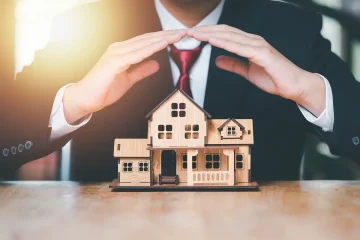
How Property Improvements Can Increase Market Value
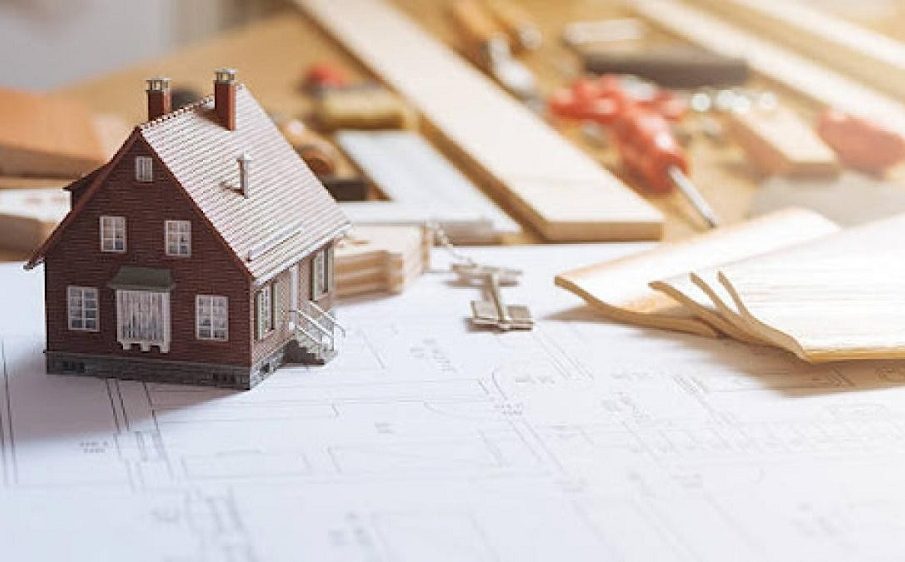
When preparing to sell a residential property, homeowners frequently face a critical question. Should they sell the home in its current condition, or should they invest time and capital into upgrades before putting it on the market? While minor deferred maintenance is common, strategic property improvements can significantly elevate market value, attract high-quality buyers, and drastically reduce the time a home spends on the real estate market.
However, not all home renovations yield an equal return on investment. Remodeling a kitchen with ultra-luxury finishes in a modest neighborhood or converting a bedroom into an oversized home theater will rarely recover its total cost at resale. Maximizing market value requires a disciplined approach, focusing on high-impact updates that enhance curb appeal, expand functional space, improve energy efficiency, and appeal to the broadest possible pool of prospective buyers.
Prioritizing High-Return Capital Improvements
Successful property improvement begins with understanding which upgrades deliver the strongest financial payback. Real estate analysts track renovation returns annually, consistently showing that cosmetic and structural updates focused on core living areas outperform expensive, hyper-personalized luxury projects.
Kitchen Updates and Minor Remodeling
The kitchen is universally regarded as the emotional and functional heart of the home. Buyers scrutinize kitchens closely during open houses, often factoring estimated renovation costs into their initial purchase offers.
-
Minor Refresh over Major Overhaul: A full gut renovation can easily exceed tens of thousands of dollars without returning one hundred percent of the investment. In contrast, minor cosmetic updates—such as painting dated wooden cabinets a clean neutral color, replacing laminate counters with durable quartz, upgrading cabinet hardware, and installing modern light fixtures—offer a remarkably high return on investment.
-
Modern Energy-Efficient Appliances: Swapping out old, mismatched appliances for sleek stainless steel energy-efficient models instantly modernizes the space and signals responsible home maintenance.
Bathroom Enhancements and Modernization
Bathrooms rank second only to kitchens in driving buyer interest and influencing final appraisal values. Even minor updates in secondary and primary bathrooms can change the entire feel of a home.
-
Replacing Dated Vanities and Fixtures: Swapping cracked sinks, old laminate countertops, and tarnished chrome faucets for clean white quartz vanities and modern matte black or brushed nickel hardware creates a spa-like atmosphere.
-
Regrouting and Resurfacing: Rather than completely tearing out tile work, professional regrouting, tub reglazing, and replacing old acrylic shower doors make existing bathrooms look pristine at a fraction of the cost.
Enhancing Curb Appeal for Immediate First Impressions
The exterior of a property sets the psychological tone for the entire showing. If a buyer pulls up to a home with peeling paint, overgrown shrubs, and a cracked driveway, they enter the front door with a negative bias, anticipating hidden deferred maintenance throughout the interior.
Exterior Painting and Siding Maintenance
A fresh coat of exterior paint is one of the most cost-effective ways to revitalize an aging facade. Selecting a modern, universally appealing neutral color palette—such as warm grays, soft taupes, or crisp whites with dark trim—instantly updates the home architectural style. If the home features brick or stone, ensuring masonry is tuckpointed and clean preserves structural integrity and visual charm.
Landscaping and Hardscaping Upgrades
Overgrown bushes, dead lawns, and cluttered front yards actively detract from market value. Professional landscaping transforms an ordinary exterior into an inviting asset:
-
Lawn Care and Fresh Mulch: Laying down fresh dark mulch in garden beds, trimming trees away from the roofline, and reseeding patchy turf areas create an immediate sense of care.
-
Walkway and Porch Lighting: Installing low-voltage solar or wired landscape lighting along walkways and accenting the front porch entry adds evening safety and dramatic curb appeal.
-
Upgraded Entry Hardware: Replacing a weathered front door with a solid wood or modern steel model, paired with a matching deadbolt and house numbers, creates a polished focal point.
Increasing Functional Square Footage and Flow
Buyers place a high economic premium on usable square footage and logical floor plans. When a home feels chopped up by unnecessary walls or contains dark, unfinished areas, buyers perceive it as smaller and less functional than its actual square footage suggests.
Finishing Basements and Attics
Converting an unfinished, damp basement into a bright recreation room, home office, or guest suite drastically expands the home liveable footprint without requiring a costly structural room addition.
-
Moisture Mitigation: Ensuring the foundation is waterproofed and installing egress windows to meet building safety codes are essential first steps for basement conversions.
-
Insulation and Climate Control: Extending ductwork or installing mini-split heat pumps ensures finished attics and basements remain comfortable across all four seasons.
Opening Up Floor Plans
Removing non-load-bearing walls between cramped kitchens, formal dining rooms, and living areas creates the open-concept flow that modern buyers demand. Unifying these spaces allows natural light to travel across the entire main floor, making the home feel significantly larger, airier, and more connected.
Energy Efficiency and Sustainable Upgrades
Modern homebuyers are increasingly conscious of ongoing utility costs and environmental impact. Upgrading mechanical systems and building components to improve energy efficiency offers immediate appeal and reassures buyers regarding long-term operating expenses.
-
Upgraded Insulation and Windows: Replacing drafty single-pane windows with double- or triple-pane vinyl or wood-clad windows improves thermal performance, dampens street noise, and lowers heating and cooling bills. Adding blown-in insulation to attic spaces further optimizes energy retention.
-
High-Efficiency HVAC Systems: A failing furnace or aging central air conditioner represents a major future expense for a buyer. Upgrading to a high-efficiency heat pump or modern HVAC system removes that objection entirely and reassures buyers during home inspections.
-
Solar Panel Installations: Where regional electricity costs are high, owned solar panel arrays provide tangible long-term savings, though leased solar systems can sometimes complicate real estate closing processes.
Smart Home Technology and Modern Infrastructure
Integrating intelligent technology into a property signals that the home has been maintained with modern standards in mind, appealing strongly to tech-savvy demographics.
-
Smart Thermostats: Devices like programmable learning thermostats provide automated energy savings and add a touch of modern sophistication.
-
Smart Security and Lighting: Video doorbells, keyless smart locks, and connected lighting systems enhance physical security and everyday convenience without requiring massive wiring investments.
-
Upgraded Electrical Panels: In older homes, upgrading a dated sixty- or one-hundred-amp electrical panel to a modern two-hundred-amp service is a critical infrastructure improvement that accommodates modern electrical loads and satisfies home inspectors.
Avoiding Over-Improvement and Market Misalignment
One of the greatest financial risks in home remodeling is over-improvement. Every neighborhood has a pricing ceiling determined by its location, school district, and the average value of surrounding homes.
If you invest one hundred thousand dollars into luxury marble finishes, custom architectural millwork, and high-end landscaping in a neighborhood where comparable homes sell for three hundred thousand dollars, you will never recover those costs. The property will appraise at the neighborhood ceiling, resulting in a substantial financial loss. Always research recent comparable sales in your immediate area with a licensed real estate agent or certified appraiser before committing to major capital improvements.
Frequently Asked Questions
Which home improvement project consistently delivers the highest return on investment?
Minor kitchen updates, bathroom refreshes, and exterior curb appeal enhancements consistently deliver the highest return on investment. These projects appeal directly to the visual emotions of buyers without demanding the massive capital expenditures associated with structural additions or luxury custom remodels.
Should sellers always paint the entire interior of a home before listing?
Painting the interior is not always required in every room, but applying a coat of fresh neutral paint is highly recommended if walls feature bold, eccentric colors, scuff marks, or water stains. Neutral tones like warm white, light greige, or soft cream create a blank canvas that makes rooms feel larger, cleaner, and more welcoming to diverse buyer preferences.
How do I know if an interior wall is load-bearing before attempting to remove it?
Load-bearing walls support the weight of the roof or upper floors and cannot be removed without installing engineered structural beams or columns. You can check structural plans or inspect the basement and attic framing to see which walls align directly with overhead floor joists or roof rafters. Always consult a licensed structural engineer or general contractor before altering any interior walls.
Is it better to repair existing damaged flooring or replace it entirely?
If hardwood floors are scratched or worn, professional sanding and refinishing is usually more cost-effective and preserves the authentic character of the home. However, if carpets are heavily stained, odorous, or badly dated, replacing them with modern neutral carpet or luxury vinyl plank flooring is essential to pass buyer scrutiny during open houses.
How does a professional home appraisal differ from a real estate market analysis?
A home appraisal is conducted by a licensed, certified professional who evaluates a property physical condition, square footage, and recent comparable sales to determine its objective market value for mortgage lending purposes. A real estate market analysis is prepared by a local real estate agent to help sellers determine a competitive listing strategy based on active competing inventory and recent buyer demand in the neighborhood.
Can DIY home improvements hurt my property resale value?
Yes. Low-quality do-it-yourself renovations—such as uneven tile installation, sloppy painting, exposed wiring, or poorly plumbed fixtures—can immediately signal deferred maintenance to buyers and home inspectors. If work requires specialized trade licensing, such as electrical or plumbing alterations, hiring licensed professionals ensures safety, code compliance, and appraisal confidence.
How long before listing a home should major improvement projects be completed?
Major renovations should be completed at least a few weeks before listing the property on the market. This buffer allows time for thorough deep cleaning, professional staging, high-quality real estate photography, and addressing any minor touch-ups or loose ends before the first open house event takes place.