How Home Staging Can Speed Up Property Sales
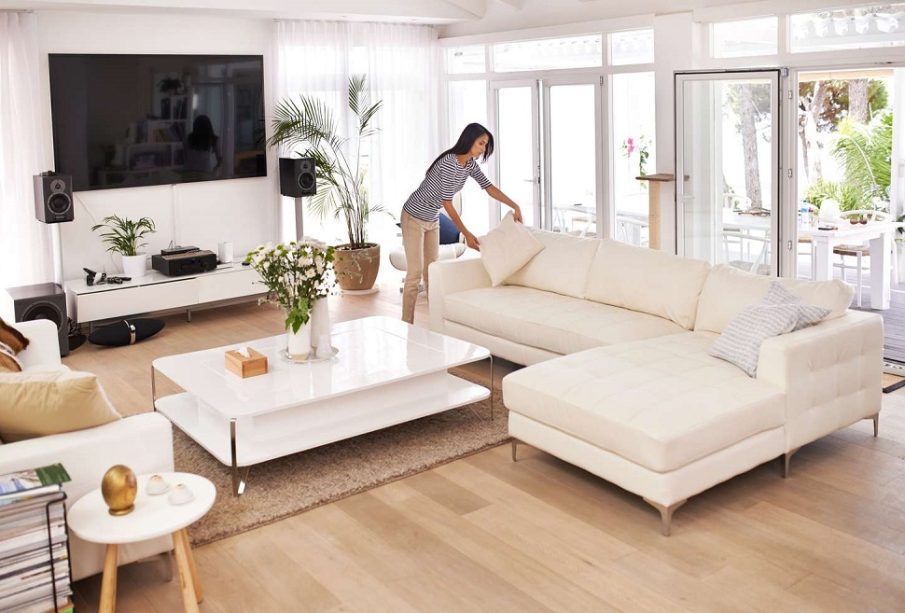
Selling a residential property in a competitive real estate market requires more than just planting a sign in the front yard and listing the address online. Today’s homebuyers are informed, visually driven, and accustomed to browsing hundreds of listings from their smartphones before ever setting foot in an open house. When buyers scroll through property portals, they form an impression within seconds. A home that looks cluttered, dark, or dated is easily passed over for a property that feels fresh, spacious, and inviting.
This reality has made home staging one of the most effective strategies for expediting a real estate transaction. Far from being a cosmetic indulgence, professional staging is a deliberate marketing method that emphasizes a property’s greatest strengths while downplaying its architectural flaws. By transforming a lived-in house or a cold, vacant building into an aspirational home, staging captures buyer attention, builds an emotional connection, and accelerates the entire sales process.
The Core Objectives of Home Staging
Many homeowners confuse staging with everyday interior decorating. While decorating personalizes a space to reflect the current owner’s tastes and lifestyle, staging does the opposite. The goal of staging is to depersonalize the property, creating a neutral canvas that allows potential buyers to envision themselves living there.
Staging focuses on three fundamental principles:
-
Highlighting Usable Space: Arranging furniture to improve traffic flow, open up walkways, and make rooms appear larger and more functional.
-
Neutralizing the Palette: Replacing bold, eccentric paint colors and patterns with soft, contemporary neutrals that appeal to the broadest possible buyer demographic.
-
Accentuating Architectural Strengths: Drawing the buyer’s eye toward standout features such as natural light, high ceilings, custom millwork, built-in shelving, or stone fireplaces.
When executed properly, staging shifts the buyer’s focus from evaluating the current owner’s possessions to assessing the true value of the real estate itself.
The Psychological Mechanics of the Buyer’s Journey
Real estate purchases are rarely driven by logic alone. While buyers establish logical parameters such as budget, bedroom count, and school district, the final buying decision is heavily influenced by emotion. Buyers want to feel an intuitive sense of comfort, security, and pride when walking through a front door.
Overcoming the Flaws of Vacant and Cluttered Properties
Human spatial perception is surprisingly limited. Studies in consumer behavior indicate that roughly nine out of ten prospective buyers struggle to visualize the potential of an empty room or see past an existing owner’s clutter.
An empty room often appears smaller than it actually is because there are no familiar reference points, such as a bed or sofa, to provide scale. Vacant properties also feel sterile and highlight minor cosmetic flaws, like scuffed baseboards or uneven flooring.
Conversely, an overcrowded home filled with personal collections, family photo galleries, and specialized hobbies overwhelms the senses. Buyers feel like intruders in someone else’s personal sanctuary, which prevents them from forming a proprietary emotional bond with the space.
Engineering Aspirational Lifestyles
Staging bridges the gap between reality and aspiration. By incorporating carefully curated furniture, layered textiles, tasteful artwork, and subtle greenery, a stager constructs a narrative of effortless living.
A staged primary bedroom does not just display a mattress; it presents a serene retreat with plush linens and soft lighting. A staged kitchen island with a clean fruit bowl and neatly stacked cookbooks signals culinary enjoyment and organized family mornings. This curated atmosphere helps buyers mentally move into the property, creating urgency that leads to faster, stronger purchase offers.
The Power of Digital First Impressions
In modern real estate, the first showing never happens on-site; it happens on digital screens. Listing photography and virtual tours serve as the initial gatekeepers for buyer interest.
Properties that are professionally staged produce superior digital media assets:
-
Crisp Photography: Staged spaces reflect light better and eliminate visual clutter, resulting in bright, balanced photographs that stand out in crowded search feeds.
-
Higher Click-Through Rates: Online listings with high-quality photos generate significantly more digital views, saves, and inquiries from active house hunters.
-
Increased Foot Traffic: A captivating online presentation directly translates into higher attendance at open houses and private broker showings, shortening the timeline between listing and offer receipt.
When a listing stands out online, it gathers momentum quickly. Properties that generate heavy traffic within their first two weeks on the market are far more likely to sell quickly and avoid price reductions.
Essential Staging Techniques That Accelerate Sales
Achieving an impactful transformation does not always require a full-scale renovation. Strategic adjustments to key focal points often yield the greatest return on time and investment.
Strategic Decluttering and Deep Depersonalization
The initial step in any successful staging plan is the thorough removal of excess items. Clutter absorbs light and creates a feeling of confinement.
-
Clear all kitchen and bathroom countertops, leaving only one or two intentional decorative items.
-
Reduce the contents of bedroom closets and pantry shelves by half to showcase generous storage capacity.
-
Remove family portraits, religious iconography, sports memorabilia, and personal certificates to maintain a neutral environment.
-
Pack away pet accessories, crates, and litter boxes to ensure the home smells fresh and looks pristine.
Optimizing Lighting and Ambiance
Dark interiors feel dated, small, and uninviting. Illuminating every corner makes the entire floor plan feel expansive and welcoming.
-
Open all blinds, curtains, and shutters fully to maximize the inflow of natural daylight.
-
Replace low-wattage or mismatched light bulbs with consistent, warm-white LED options across all fixtures.
-
Implement three-point lighting in primary living spaces by combining overhead ambient fixtures, task lamps, and accent uplights to eliminate shadows.
Defining Unclear and Underutilized Spaces
Awkward alcoves, under-stair areas, or odd landing spaces often confuse buyers. If a buyer cannot identify the purpose of a space, they view it as wasted square footage.
Stagers solve this by assigning a clear, functional purpose to every nook. An empty corner beside a window can be transformed into a cozy reading nook with an accent chair, a small side table, and a floor lamp. A dead hallway landing can become a compact home office station with a floating desk and a sleek chair. Defining these zones helps buyers appreciate the full utility of the home’s total square footage.
Curb Appeal: The Physical First Impression
The staging process begins before the front door opens. The exterior approach sets the psychological tone for the entire showing.
-
Power wash the front walkway, driveway, siding, and porch steps.
-
Apply a fresh coat of modern paint to the front entry door and update outdated door hardware.
-
Add fresh mulch, edge garden beds, trim overgrown shrubs, and place a pair of potted evergreens or seasonal flowers near the entrance.
-
Ensure the house numbers are clean, modern, and easily visible from the street.
A tidy, well-maintained exterior reassures buyers that the property has been cared for with pride, reducing fears of hidden deferred maintenance.
The Economic Advantages of Decreased Days on Market
The primary financial metric in real estate sales is days on market. The longer a property lingers on multiple listing services, the more its perceived value declines.
When a home sits unsold for more than thirty to forty-five days, buyers naturally begin to wonder what is wrong with it. This stigma prompts lowball offers from bargain hunters and forces sellers to issue successive price reductions to regain visibility.
A price reduction of five to ten percent typically represents tens of thousands of dollars in lost equity. Staging helps generate strong, competitive interest right out of the gate, enabling sellers to secure an acceptable offer quickly and protect their hard-earned home equity.
Frequently Asked Questions
What is the typical cost range for professional home staging services?
Staging costs vary based on property size, location, and the scope of work needed. An initial consultation with a professional stager usually costs between two hundred and six hundred dollars. For a vacant home requiring full furniture rental and styling across main living areas, costs typically range from two thousand to six thousand dollars for an initial two- to three-month staging contract.
Which specific rooms provide the highest return on investment when staged?
The most critical rooms to stage are the living room, primary bedroom suite, kitchen, and dedicated dining area. These are the spaces where buyers spend the vast majority of their daily lives and where emotional value is concentrated. Secondary guest bedrooms, basements, and laundry rooms can often be left simply clean, painted, and decluttered without full furniture staging.
How does occupied staging differ from vacant property staging?
Occupied staging utilizes the homeowner’s existing furniture and decor, supplemented by the stager’s decorative accessories, artwork, and strategic rearranging, while the owner continues living in the house. Vacant staging involves bringing an entire inventory of rented furniture, rugs, lighting, and accessories into an empty home to furnish it from scratch.
Can a seller successfully stage their own home without hiring an outside professional?
Yes, motivated sellers can self-stage by focusing strictly on radical decluttering, thorough deep cleaning, touching up paint with modern neutral tones, removing personal items, and optimizing furniture layouts. However, hiring a professional stager provides an objective, unbiased eye that identifies awkward layouts and design flaws that a long-time homeowner might overlook.
What is virtual staging and is it an effective substitute for physical staging?
Virtual staging uses graphic design software to insert digital furniture and decor into photographs of vacant rooms for online marketing. While it is cost-effective and improves digital click-through rates, it carries the risk of disappointing buyers during the physical showing when they arrive to find cold, empty rooms that lack the tactile warmth seen online.
How long does the physical staging installation process typically take?
For an occupied home requiring rearrangement and light styling, the physical process can usually be completed in one to two days. For a completely vacant property requiring a moving truck delivery of furniture, rugs, art mounting, and detailed decor styling, professional crews typically complete the full installation within one to three days.
Should minor cosmetic repairs be finished before staging begins?
Yes, all structural and cosmetic repairs—such as patching drywall holes, fixing leaky faucets, repairing loose door handles, and applying fresh interior paint—should be completed prior to staging. Staging is designed to highlight finished, functional spaces; placing high-end furniture around obvious maintenance defects only draws more attention to the unfinished work.