Construction Industry Insights: Trends, Technologies, and Careers
Introduction to Construction
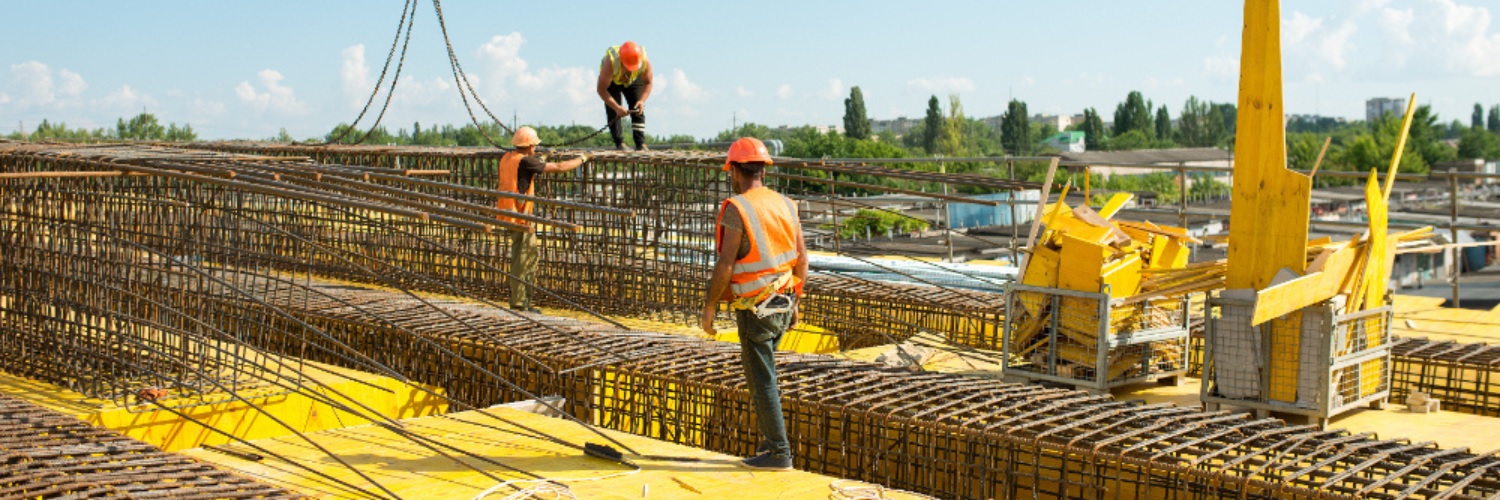
Construction is the process of building, altering, or repairing structures and infrastructure. It is a sector that combines physical labor, engineering principles, architectural design, project management, and advanced technology. Construction projects can range from small-scale residential renovations to large-scale commercial developments and civil infrastructure projects such as roads, bridges, and airports. The industry is integral to economic growth, urban development, and societal well-being, providing employment opportunities and fostering technological innovation.
The construction process typically involves multiple phases, including planning, design, procurement, execution, and maintenance. Each phase requires careful coordination among stakeholders, including architects, engineers, contractors, subcontractors, suppliers, and regulatory authorities. Modern construction emphasizes efficiency, sustainability, safety, and cost-effectiveness, making it a constantly evolving field.
Types of Construction Projects
Construction projects can be categorized into several types, each with unique characteristics, methodologies, and requirements:
Residential Construction
Residential construction focuses on building homes, apartments, and housing complexes. This segment involves tasks such as site selection, foundation laying, framing, roofing, plumbing, electrical installation, and interior finishing. The industry prioritizes comfort, aesthetics, and functionality while adhering to building codes and safety standards. Residential construction also increasingly incorporates smart home technologies and sustainable materials to meet the demands of modern homeowners.
Commercial Construction
Commercial construction deals with buildings used for business purposes, such as offices, shopping centers, hotels, and hospitals. These projects typically require higher investments, sophisticated architectural designs, and compliance with commercial regulations. Efficient space utilization, energy efficiency, and structural integrity are crucial in commercial construction. Project managers often collaborate closely with designers and engineers to ensure that functional requirements and aesthetic goals align with regulatory standards.
Industrial Construction
Industrial construction focuses on building facilities for manufacturing, warehousing, and heavy industry. This type of construction requires specialized knowledge of mechanical systems, safety protocols, and industrial standards. Industrial projects often involve steel structures, concrete foundations, complex machinery installation, and high-capacity electrical systems. Safety and operational efficiency are primary concerns in industrial construction due to the potential hazards associated with heavy machinery and industrial processes.
Infrastructure Construction
Infrastructure construction, also known as civil construction, includes roads, bridges, railways, airports, dams, and water treatment plants. These projects are often funded or managed by government agencies and aim to support public services and economic development. Infrastructure construction requires meticulous planning, environmental impact assessments, and coordination with multiple stakeholders. Projects in this segment are typically large-scale, long-term, and essential for sustainable urban growth.
Key Processes in Construction
Understanding the core processes of construction is essential to appreciating the complexity and precision involved in the industry:
Planning and Design
The planning and design phase involves conceptualizing the project, creating architectural and engineering drawings, estimating costs, and preparing project schedules. Proper planning ensures that the project meets functional requirements, aesthetic preferences, safety standards, and budget constraints. Accurate cost forecasting can be particularly important during the early stages, as it helps stakeholders evaluate feasibility and allocate resources effectively. To support this process, many developers and project teams can work with professionals such as quantity surveyors BCA Canada, or similar ones from elsewhere, to consult for cost management, budgeting, and financial oversight. Design professionals use tools such as Building Information Modeling (BIM) to visualize the project, detect potential conflicts, and optimize construction strategies.
Procurement and Contracting
Procurement involves sourcing materials, equipment, and labor necessary for the project. Contractors negotiate contracts with suppliers and subcontractors to ensure timely delivery of resources. Effective procurement reduces delays and cost overruns while maintaining the quality of materials. Modern construction often relies on green and sustainable materials to reduce environmental impact and meet regulatory requirements.
Construction Execution
Construction execution is the phase where physical building takes place. Skilled workers and machinery are mobilized to carry out tasks such as excavation, foundation laying, structural assembly, and interior and exterior finishing. Construction supervisors oversee day-to-day operations, ensure adherence to safety standards, and maintain project schedules. Technological innovations, including automation, drones, and robotics, are increasingly used to enhance efficiency, precision, and safety during this phase.
Quality Control and Safety Management
Quality control ensures that the construction meets design specifications, building codes, and industry standards. Safety management focuses on protecting workers and minimizing the risk of accidents. Construction companies implement safety protocols, training programs, and site inspections to maintain high safety standards. Regular audits and testing help identify and resolve potential issues before they escalate.
Maintenance and Facility Management
After construction is complete, maintenance and facility management ensure the longevity and functionality of the building or infrastructure. This phase includes routine inspections, repairs, and updates to mechanical, electrical, and structural systems. Effective maintenance prolongs the life of assets and reduces long-term operational costs.
Emerging Trends in Construction
The construction industry is continuously evolving with new technologies, methodologies, and practices that enhance efficiency and sustainability:
Sustainable Construction
Sustainability is a growing priority in construction, emphasizing energy efficiency, renewable materials, waste reduction, and environmentally friendly designs. Sustainable construction practices include green building certifications, solar energy integration, rainwater harvesting, and low-carbon concrete alternatives. These practices not only reduce environmental impact but also improve building performance and occupant comfort.
Smart Construction Technology
Smart construction leverages digital technologies to optimize planning, design, and execution. Drones, 3D printing, IoT sensors, and augmented reality are transforming the way construction projects are managed. Drones enable site surveys and progress monitoring, while IoT sensors track structural integrity and environmental conditions. Augmented reality allows stakeholders to visualize project elements before construction begins, reducing errors and rework.
Modular and Prefabricated Construction
Modular and prefabricated construction involves assembling components offsite and transporting them to the construction site for installation. This approach reduces construction time, labor costs, and on-site waste. Prefabrication is particularly effective for residential, commercial, and industrial projects where repetitive elements can be standardized and mass-produced.
Construction Automation
Automation in construction is enhancing productivity and safety. Robotic bricklaying, autonomous machinery, and automated material handling are examples of technologies that streamline operations. Automation reduces human error, increases precision, and accelerates project timelines, making it a valuable investment for modern construction companies.
Career Opportunities in Construction
The construction industry offers diverse career paths for professionals with various skills and expertise. Key roles include:
- Architects and Designers: Responsible for creating building concepts, plans, and layouts.
- Civil and Structural Engineers: Ensure the stability, safety, and functionality of structures.
- Project Managers: Oversee project timelines, budgets, resources, and stakeholder communication.
- Construction Workers and Skilled Laborers: Perform hands-on construction tasks, including masonry, carpentry, plumbing, and electrical work.
- Safety and Quality Inspectors: Monitor compliance with safety regulations and quality standards.
- Surveyors and Technicians: Conduct land surveys, site measurements, and technical assessments.
Career growth in construction is often tied to experience, technical knowledge, certifications, and project management expertise. Professionals with skills in digital construction tools, sustainability practices, and automation technologies are increasingly in demand.
Challenges in Construction
Despite its opportunities, the construction industry faces several challenges:
- Cost Overruns and Budget Management: Unforeseen issues, material price fluctuations, and design changes can lead to budget overruns.
- Labor Shortages: Skilled labor shortages impact project timelines and quality.
- Safety Risks: Construction sites are prone to accidents, requiring strict safety protocols.
- Environmental Concerns: Construction activities can contribute to pollution, deforestation, and resource depletion.
- Regulatory Compliance: Navigating building codes, permits, and legal requirements adds complexity to project execution.
Addressing these challenges requires effective planning, adoption of modern technologies, skilled workforce development, and sustainable construction practices.
Best Practices for Successful Construction Projects
To ensure project success, construction companies and professionals adopt several best practices:
- Conduct thorough site assessments and feasibility studies before initiating projects.
- Implement effective project management tools to track schedules, budgets, and resources.
- Prioritize safety protocols and employee training to minimize accidents.
- Use quality materials and standardized construction techniques to maintain durability.
- Incorporate sustainable and energy-efficient practices to meet environmental goals.
- Foster collaboration among stakeholders to ensure smooth communication and problem-solving.
Future of Construction
The construction industry is poised for transformation through digitalization, sustainability, and innovation. Artificial intelligence, machine learning, and predictive analytics are expected to optimize project planning and risk management. As cities expand and infrastructure demands grow, construction will continue to play a pivotal role in shaping the urban landscape. The integration of technology, skilled labor, and environmentally conscious practices will define the future of construction.
Frequently Asked Questions (FAQs)
1. What are the main types of construction projects?
The main types include residential, commercial, industrial, and infrastructure construction, each with specific requirements and objectives.
2. How is technology changing construction?
Technologies such as BIM, drones, IoT, automation, and 3D printing improve efficiency, safety, and accuracy while reducing costs and environmental impact.
3. What are common challenges in construction projects?
Challenges include cost overruns, labor shortages, safety risks, environmental concerns, and regulatory compliance.
4. What skills are essential for a construction career?
Key skills include project management, technical knowledge, safety awareness, problem-solving, and proficiency with modern construction technologies.
5. Why is sustainable construction important?**
Sustainable construction reduces environmental impact, lowers energy costs, improves building performance, and meets regulatory and societal expectations.
6. What role does project management play in construction?
Project management ensures projects are completed on time, within budget, and according to quality and safety standards while coordinating stakeholders and resources.
7. How long does a construction project typically take?
Project duration varies depending on the type, scale, complexity, and resources involved, ranging from a few months for residential buildings to several years for large infrastructure projects.
Construction is more than just building structures; it is an intricate combination of engineering, design, technology, and management. The industry’s evolution continues to drive innovation, improve efficiency, and create sustainable spaces for modern living and commerce. Understanding its trends, processes, challenges, and opportunities equips professionals and stakeholders to make informed decisions and contribute effectively to the ever-expanding built environment.