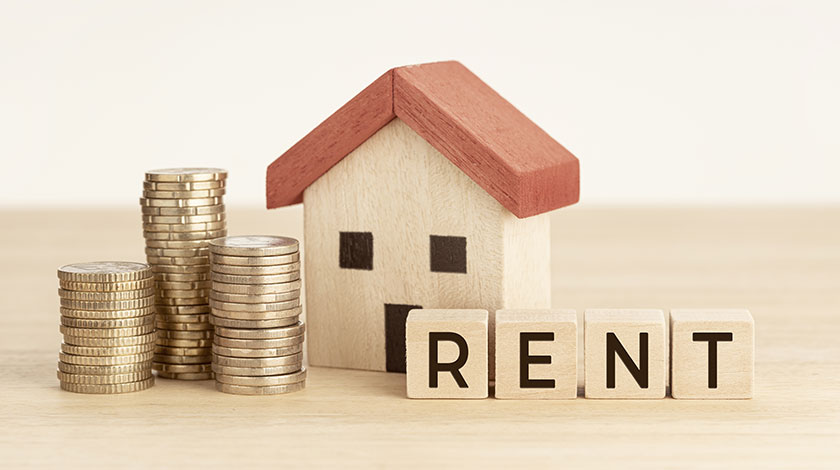
Renting has become an essential aspect of urban living, offering flexibility
Understanding Rent
Rent is the payment made by a tenant to a landlord in exchange for the use of a property. It can be a residential apartment, single-family home, or a commercial space. Rent agreements are legally binding contracts, often referred to as lease agreements, that outline the terms of tenancy including duration, payment schedule, and responsibilities of both parties. These agreements ensure clarity and protect the interests of both tenants and landlords.
Rent is generally paid monthly, but in some cases, weekly or quarterly arrangements are possible. The amount of rent varies widely based on location, property type, amenities, and market conditions.
Types of Rent
Understanding the different types of rent can help tenants and landlords make informed decisions. Some common types include:
- Fixed Rent: This type of rent remains constant throughout the lease term. Tenants benefit from predictable monthly expenses, while landlords secure stable income.
- Variable Rent: Rent changes over time based on certain factors such as inflation, market indexes, or periodic review clauses. Long-term leases often include variable rent structures.
- Gross Rent: Includes all additional costs such as utilities, maintenance fees, and property taxes. This simplifies budgeting for tenants but may result in a higher upfront cost.
- Net Rent: The tenant pays the base rent and separately covers utilities, taxes, and maintenance charges. This can offer a lower starting rent but requires tenants to manage additional expenses.
Factors Affecting Rent Prices
Rent prices are influenced by multiple factors that reflect the property’s value and the local market conditions. Key factors include:
- Location: Proximity to employment hubs, public transport, schools, and shopping centers significantly affects rent. Prime city locations typically demand higher rent.
- Property Size and Layout: Larger apartments or homes with more bedrooms, bathrooms, or living spaces naturally command higher rent.
- Market Demand and Supply: Areas with high demand and limited rental supply often see increased rent prices. Conversely, oversupply may lead to more competitive rates.
- Economic Conditions: Inflation, interest rates, and job markets influence rental affordability. Economic downturns may result in decreased rent, while booming economies often see increases.
- Property Age and Condition: Newly constructed or recently renovated properties tend to have higher rent compared to older, less maintained units.
- Amenities and Services: Modern facilities such as gyms, swimming pools, parking spaces, and 24/7 security can justify higher rent prices.
Tenant Rights and Responsibilities
Tenants are entitled to several legal protections depending on regional laws. Common tenant rights include:
- Right to a Safe and Habitable Property: Landlords must maintain health and safety standards, including functioning plumbing, heating, and structural safety.
- Right to Privacy: Landlords typically must provide prior notice before entering the rented property.
- Protection Against Unlawful Eviction: Tenants cannot be evicted without following legal procedures and notice periods.
- Right to Fair Rent: In areas with rent control, tenants may be shielded from sudden or unreasonable rent hikes.
Alongside rights, tenants have responsibilities to maintain a harmonious tenancy, including:
- Timely Rent Payment: Avoiding late fees and potential legal issues.
- Property Maintenance: Keeping the property clean, reporting damages, and using appliances responsibly.
- Adherence to Lease Terms: Following rules regarding pets, subleasing, and property modifications.
- Consideration for Neighbors: Minimizing noise and disturbances in shared communities or apartments.
Landlord Responsibilities
Landlords must also meet certain obligations to ensure a legal and smooth rental experience:
- Property Maintenance: Ensuring utilities, appliances, and structural elements are functioning properly.
- Clear Lease Documentation: Providing a written lease that outlines rent amount, payment schedule, and property rules.
- Respecting Tenant Rights: Following eviction laws and respecting tenant privacy.
- Prompt Repairs: Addressing maintenance requests in a timely manner to prevent property damage or tenant dissatisfaction.
Determining Affordable Rent
Rent affordability is critical to maintaining financial stability. A widely accepted guideline is the 30% rule, which suggests that tenants should spend no more than 30% of their monthly income on rent. Additional considerations include:
- Utilities and Other Expenses: Electricity, water, internet, and maintenance fees should be factored into total housing costs.
- Lifestyle and Budgeting: Rent should leave room for savings, food, transportation, healthcare, and discretionary spending.
- Lease Duration: Short-term leases offer flexibility but often come at a premium, while long-term leases may provide stability and cost predictability.
Negotiating Rent
Negotiating rent can save tenants money or secure better terms. Effective strategies include:
- Market Research: Comparing similar properties in the area to understand fair pricing.
- Highlighting Tenant Qualities: Demonstrating stable income, good credit, and a clean rental history can encourage landlords to offer discounts.
- Offering Long-Term Lease Commitments: A longer lease may motivate landlords to reduce monthly rent.
- Requesting Additional Perks: Tenants can negotiate for utilities, parking, or minor repairs instead of rent reductions.
Rent Control and Regulations
In certain cities, rent control laws limit how much landlords can increase rent, protecting tenants from excessive hikes. Regulations may also govern:
- Maximum annual rent increases
- Legal eviction procedures
- Tenant eligibility for protected properties
Understanding these regulations is essential for both tenants and landlords to avoid disputes and ensure compliance with the law.
The Impact of Rent on Financial Planning
Rent represents one of the largest monthly expenses for most households. It influences:
- Savings and Investments: High rent can reduce the ability to save for emergencies, education, or retirement.
- Debt Management: Balancing rent with other obligations like loans, credit cards, and insurance is essential.
- Quality of Life: Overpaying for rent can limit spending on leisure, health, or personal development.
Smart financial planning ensures rent payments do not compromise long-term stability.
Emerging Trends in Renting
The rental market is evolving due to technology, lifestyle changes, and economic shifts. Notable trends include:
- Short-Term and Vacation Rentals: Apps and platforms allow tenants flexibility for temporary stays.
- Co-Living Spaces: Shared accommodations appeal to young professionals seeking affordability and community.
- Smart Home Technology: Automated systems for lighting, heating, and security are becoming increasingly common.
- Sustainable Rentals: Energy-efficient buildings and eco-friendly features are attracting environmentally conscious tenants.
These trends highlight the importance of staying informed about rental options and market dynamics.
Conclusion
Renting is a complex but essential part of modern life. Understanding the types of rent, market factors, tenant and landlord responsibilities, and financial implications can help create a positive rental experience. By staying informed, negotiating effectively, and budgeting wisely, tenants can secure affordable, comfortable housing while landlords maintain property value and fair returns. Knowledge of rent laws and emerging trends further ensures a smooth, sustainable rental relationship for all parties involved.
FAQ
1. How is rent typically calculated?
Rent is determined based on property size, location, amenities, condition, and market demand. Landlords may also consider operating costs and local rental trends.
2. Can landlords increase rent during a lease?
Rent cannot usually be increased during a fixed-term lease unless specified in the lease agreement. Month-to-month leases may allow increases with proper notice.
3. What is included in gross rent versus net rent?
Gross rent covers the base rent plus additional expenses like utilities, maintenance, and taxes. Net rent is the base rent alone, with tenants paying other costs separately.
4. Are tenants required to pay a security deposit?
Most leases require a security deposit to cover potential damages or unpaid rent. Regulations often limit deposit amounts and outline conditions for refund.
5. How can tenants negotiate rent successfully?
Tenants can negotiate by researching market rates, showing financial reliability, committing to longer leases, or requesting additional benefits like parking or included utilities.
6. What recourse do tenants have if landlords fail to maintain the property?
Tenants may request repairs, withhold rent in some cases, or seek legal action if landlords fail to maintain health and safety standards.
7. How does rent affect long-term financial planning?
High rent can reduce savings, investment opportunities, and discretionary spending. Managing rent within a realistic budget is crucial for financial security.
8. What are co-living spaces and why are they popular?
Co-living spaces offer shared housing with private bedrooms and communal living areas, providing affordability and community for young professionals and students.