Apartment Living: A Comprehensive Guide to Modern Urban Homes

Understanding Apartments: Definition and Overview
An apartment is a self-contained housing unit that occupies part of a building, typically on a single level, and shares common spaces with other units. Apartments are increasingly popular in urban areas due to limited space, convenience, and access to city amenities. Unlike single-family homes, apartments often provide shared facilities such as gyms, pools, gardens, and security systems, catering to residents seeking both comfort and practicality.
Apartments come in a wide range of sizes and configurations, from compact studio units to multi-bedroom luxury apartments. The growing urban population has led to the rise of high-rise apartment complexes that blend modern architecture, technological integration, and community-focused living.
Types of Apartments
Understanding the types of apartments is essential for prospective renters and buyers. Apartments are classified based on layout, amenities, ownership, and size.
1. Studio Apartments
Studio apartments are compact, open-plan units that combine living, dining, and sleeping areas in a single space, with a separate bathroom. They are ideal for young professionals, students, or individuals seeking minimalistic urban living.
2. One-Bedroom Apartments
These apartments feature a separate bedroom, living area, kitchen, and bathroom. They offer more privacy compared to studios and are popular among singles and couples.
3. Two-Bedroom Apartments and Larger Units
These units are suitable for small families or roommates. Two-bedroom apartments provide additional living space and often include one or two bathrooms. Larger apartments, such as three or four-bedroom units, cater to families requiring more privacy and room for daily activities.
4. Loft Apartments
Loft apartments are characterized by high ceilings, open floor plans, and large windows. Often converted from industrial spaces, lofts appeal to individuals seeking modern, spacious interiors with creative design possibilities.
5. Penthouse Apartments
Penthouses occupy the top floors of high-rise buildings and often feature luxury amenities, private terraces, and panoramic city views. These units are synonymous with prestige and exclusive urban living.
6. Duplex and Triplex Apartments
Duplex and triplex apartments span two or three floors within a building, connected by internal staircases. They offer a house-like feel while retaining the benefits of apartment living, making them suitable for families who desire more space in a vertical layout.
Key Features and Amenities of Apartments
Modern apartments often come equipped with features designed for convenience, security, and lifestyle enhancement. Understanding these amenities is crucial for making informed decisions when choosing an apartment.
1. Security Systems
Most apartment complexes include advanced security measures, such as surveillance cameras, gated entrances, key card access, and on-site security personnel. This ensures the safety of residents and their property.
2. Recreational Facilities
Many apartments offer recreational amenities, including swimming pools, fitness centers, parks, playgrounds, and community lounges. These facilities promote wellness, social interaction, and an active lifestyle.
3. Parking Options
Parking availability is a critical factor, particularly in urban areas. Apartments may offer covered parking, garages, or dedicated spots for residents, and some complexes provide electric vehicle charging stations.
4. Utilities and Maintenance
Some apartments include utilities like water, heating, or internet as part of the rent. Regular maintenance services for plumbing, electrical systems, and common areas are often provided, reducing the burden on residents.
5. Smart Home Integration
Modern apartments increasingly incorporate technology such as smart thermostats, automated lighting, keyless entry, and energy-efficient appliances. These features enhance comfort, security, and energy management.
Renting vs. Buying an Apartment
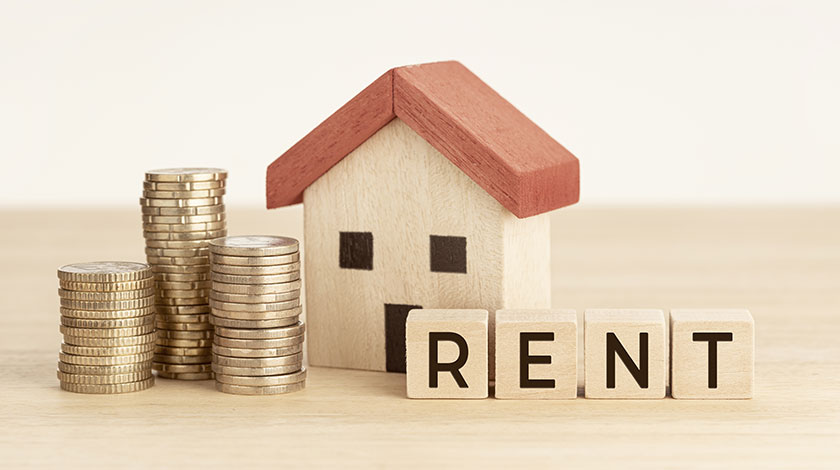
Deciding whether to rent or buy an apartment depends on personal, financial, and lifestyle considerations.
Renting offers flexibility, lower upfront costs, and freedom from long-term commitments. It is ideal for individuals who anticipate frequent relocations or those testing a new city before settling down. However, renters may face limitations on renovations and long-term financial investment.
Buying an apartment provides stability, potential property appreciation, and the ability to customize interiors. Homeownership requires significant upfront costs, including down payments, mortgage, property taxes, and maintenance. Buying is often a long-term investment, offering both financial benefits and personal satisfaction.
Factors to Consider When Choosing an Apartment
Selecting the right apartment involves evaluating multiple factors to ensure a comfortable and convenient lifestyle.
1. Location
The apartment’s proximity to workplaces, schools, healthcare facilities, shopping centers, and public transportation is critical. Location affects not only convenience but also property value and long-term investment potential.
2. Budget and Affordability
Understanding rental or purchase costs, including additional expenses like maintenance fees, utilities, and parking, helps ensure financial sustainability.
3. Size and Layout
Consider the number of bedrooms, bathrooms, storage space, and overall layout. Apartments should accommodate current needs and future lifestyle changes.
4. Building Quality and Age
The construction quality, age of the building, and structural integrity impact safety, maintenance, and long-term comfort. Modern buildings often feature better insulation, earthquake-resistant structures, and energy-efficient designs.
5. Amenities and Services
Evaluate available amenities such as gyms, pools, gardens, and concierge services. Consider whether these facilities align with lifestyle preferences and justify additional costs.
6. Neighborhood and Community
The apartment’s surrounding environment, including noise levels, safety, and local community culture, affects daily living and overall satisfaction. A friendly, well-maintained neighborhood enhances quality of life.
7. Future Development Plans
Research upcoming infrastructure projects, zoning changes, or planned commercial developments in the area. These factors may affect property value, traffic, and neighborhood dynamics.
Apartment Maintenance and Management
Effective apartment maintenance ensures comfort, longevity, and safety. Apartment management involves routine inspections, repair services, and upkeep of common areas.
Key maintenance considerations include:
- Regular plumbing and electrical system checks
- HVAC system servicing and ventilation cleaning
- Pest control measures
- Landscaping and communal area upkeep
- Timely repair of fixtures, doors, and windows
Engaged management teams and responsive maintenance staff contribute significantly to resident satisfaction. Tenants and owners should review maintenance policies and service response times before committing to a unit.
Advantages of Apartment Living
Apartment living provides several benefits that appeal to urban dwellers:
1. Convenience and Accessibility
Apartments are often located in central urban areas, providing easy access to work, schools, shopping, and cultural attractions.
2. Cost-Effective Living
Compared to single-family homes, apartments generally have lower purchase or rental costs, reduced utility expenses, and shared maintenance fees.
3. Security and Safety
Apartment complexes provide controlled access, surveillance, and professional security personnel, offering peace of mind to residents.
4. Community and Social Interaction
Shared spaces, community events, and proximity to neighbors encourage social engagement and create a sense of belonging.
5. Low Maintenance Responsibilities
Shared maintenance services, landscaping, and utilities reduce the day-to-day burden of upkeep for residents.
6. Energy Efficiency
Apartments are often more energy-efficient due to shared walls, smaller spaces, and modern construction standards, lowering utility bills and environmental impact.
Challenges of Apartment Living
While apartment living has many advantages, it also comes with potential challenges:
1. Limited Privacy
Shared walls, communal spaces, and close neighbors can reduce personal privacy and increase noise levels.
2. Space Constraints
Smaller apartments may lack storage or room for large furniture, requiring creative organization solutions.
3. Rules and Regulations
Apartment complexes often enforce rules regarding pets, renovations, and use of common areas, limiting personal freedom.
4. Parking and Traffic Issues
Urban apartments may face limited parking or congestion, impacting convenience for vehicle owners.
5. Resale or Rental Restrictions
Some apartments, especially in managed complexes, have restrictions on resale, subletting, or renting, which can affect investment flexibility.
Tips for Maximizing Apartment Living
To enhance apartment living experiences, consider the following strategies:
- Use space-saving furniture and multifunctional storage solutions
- Personalize interiors without violating building regulations
- Engage with neighbors and participate in community events
- Maintain cleanliness and organization to optimize smaller spaces
- Utilize smart home devices to improve comfort and efficiency
Conclusion
Apartments are a cornerstone of modern urban living, offering convenience, community, and cost-effective housing solutions. By understanding apartment types, amenities, maintenance considerations, and location factors, prospective renters and buyers can make informed choices that enhance lifestyle and investment value. Whether opting for a studio, penthouse, or multi-bedroom unit, apartment living provides opportunities for comfort, security, and engagement in the heart of the city.
FAQs About Apartments
1. What is the average cost of renting an apartment in urban areas?
Rental prices vary depending on city, location, size, and amenities. Major metropolitan areas typically have higher costs, while suburban or developing neighborhoods offer more affordable options.
2. How do I determine if an apartment is safe?
Check security measures, local crime statistics, building maintenance records, and consult current residents about their experiences.
3. Are pets allowed in most apartments?
Pet policies vary by complex. Some apartments are pet-friendly with designated areas, while others may restrict pets entirely or impose size limits.
4. What should I look for during an apartment inspection?
Examine structural integrity, plumbing, electrical
systems, ventilation, storage space, and condition of appliances and flooring.
5. How can I reduce utility costs in an apartment?
Use energy-efficient appliances, smart thermostats, LED lighting, and monitor water and electricity usage to manage costs.
6. Is it better to rent or buy an apartment?
Renting offers flexibility and lower upfront costs, while buying provides long-term investment, stability, and the freedom to customize the space.
7. Can apartments appreciate in value over time?
Yes, apartments in desirable locations with modern amenities and good management can appreciate in value, making them a viable investment option.
This article provides a detailed guide for anyone considering apartment living, helping residents make informed decisions and maximize comfort, convenience, and lifestyle benefits.